

Beyond their striking beauty, there are many reasons to shine some respect and awe in the direction of butterflies. For one, how many of us know their role in maintaining the health of our planet’s ecosystems? The butterfly’s presence on sunny days is not only proof of nature’s aesthetic imagination, but also evidence that an essential component of ecological balance can be achieved with gently fluttering efficiency.
Pollination Powerhouses
One of the most significant contributions of butterflies to the environment is their role as pollinators. While bees often bask in the pollination spotlight for their impact on food crops, butterflies are equally important for the healthy reproduction of native wildflowers and other non-crop plants. They facilitate the development of fruits, seeds, and new plants, which directly benefits the nutritional requirements of local wildlife, including birds, rabbits, deer, raccoons, beavers, squirrels, and more.
Just like us, butterflies are attracted to brightly colored flowers with sweet fragrances. Their coiled proboscis (snout) adaptation readily enables butterflies’ enjoyment of funnel-formed and tubular-shaped petals of native plant species, making butterflies invaluable for the pollination of many plants not available to others.
Canary in the Coal Mine
As a sentinel species, the well-being of butterflies is a gauge of environmental health, providing early warnings about serious ecological degradation. That means the presence of diverse and abundant butterfly populations indicates a thriving ecosystem.
All of this makes butterflies a useful tool for assessing the success of conservation efforts and land management practices. By monitoring these delicate cohabitants of our remarkable planet, we are informed about what we’re doing right and what we need to do better for everyone’s benefit and welfare.
Nutrient Cyclers and Food Sources
In addition to their role as pollinators and indicators of environmental health, butterflies contribute to ecosystems in other important ways. As caterpillars, they consume plant material, aiding in the breakdown and decomposition process. This activity helps to recycle nutrients back into the soil, promoting healthy plant growth. So maybe we can tolerate a few chewed up leaves for the greater good.
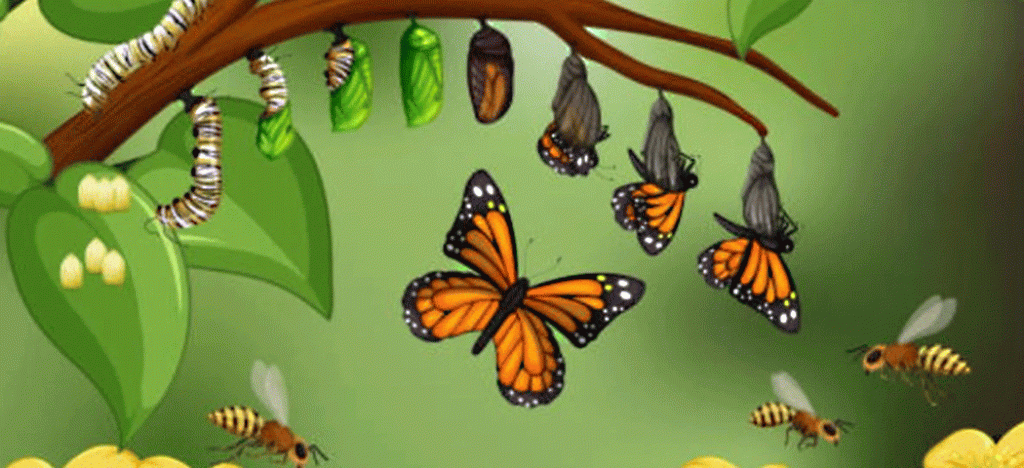
Butterflies are also a vital part of the food web. Birds, bats, and other insects call it their lucky day when they get to munch on a butterfly or two. This layer of interconnectedness is essential for maintaining the balance of ecosystems and supporting biodiversity.
Conservation Challenges and Efforts
Despite their importance, butterflies face numerous threats. Habitat destruction, climate change, pesticide use, and pollution all contribute to declines in butterfly populations globally.
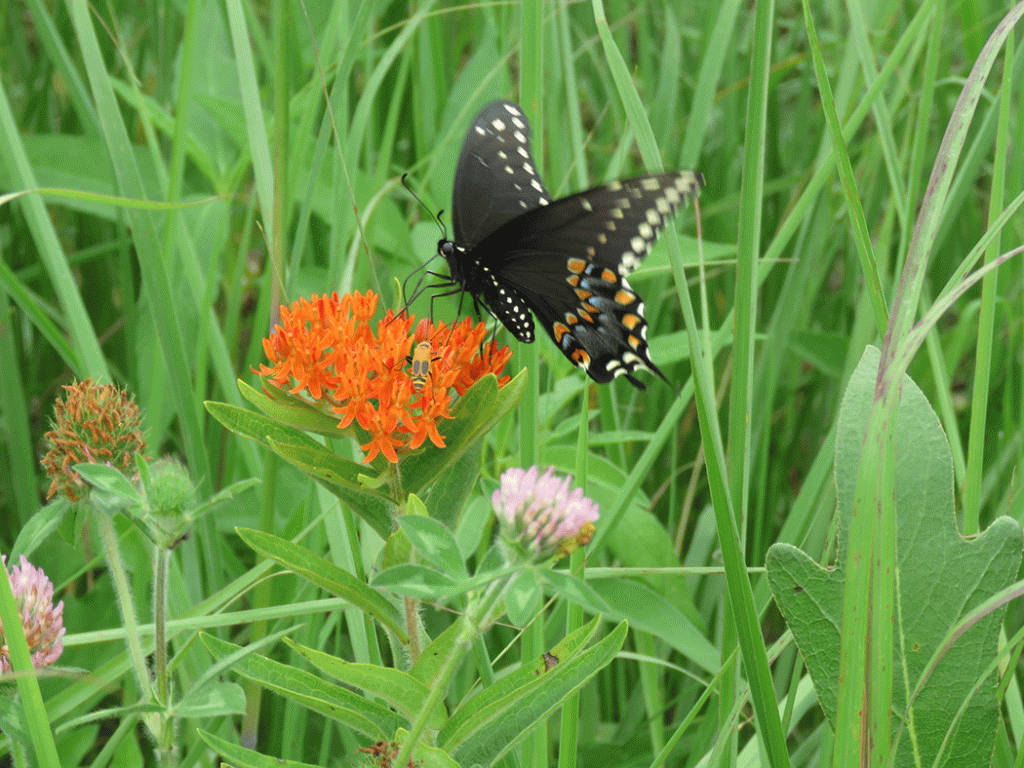
So what’s this got to do with you and me? Planting butterfly-welcoming native flora and reducing pesticide usage are indispensable starting points.
Beautiful gardens are great, but how about upping our game and developing earth-friendly and critter-friendly beautiful gardens? Next time you’re sprucing up your plantings, why not put out the welcome sign for butterflies by adding their favorite plants? If you’d like some up-close-and-personal inspiration, you can head over to Oakwood Nursery in Fairfield, where you’ll be introduced to a buffet of butterfly enticements.
Milkweed, even though not the most glamorous plant, is always a first choice for most butterflies because it nurtures and supports their entire life cycle.
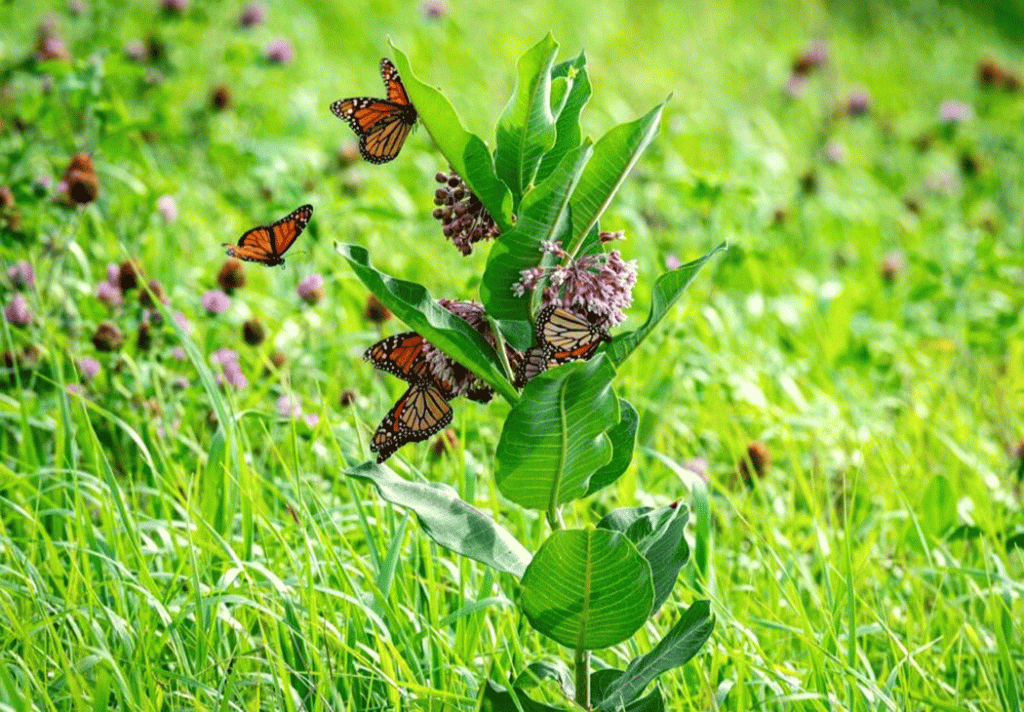
Other excellent plant and shrub choices for our planting zone include butterfly bush, asters, black-eyed Susans, coneflowers, and lavender.
Terri Diers, co-owner of Oakwood Nursery, has begun experimenting with the construction of simple safe homes for butterfly eggs and larvae to provide protection for the beginning of their amazing lives—and also because it’s incredibly fascinating to witness their magical transformations. You can watch a recent time-lapse video of the miraculous transformation of a caterpillar into a butterfly, filmed by Werner Elmker at Oakwood. Go to Monarch Butterfly Metamorphosis.