
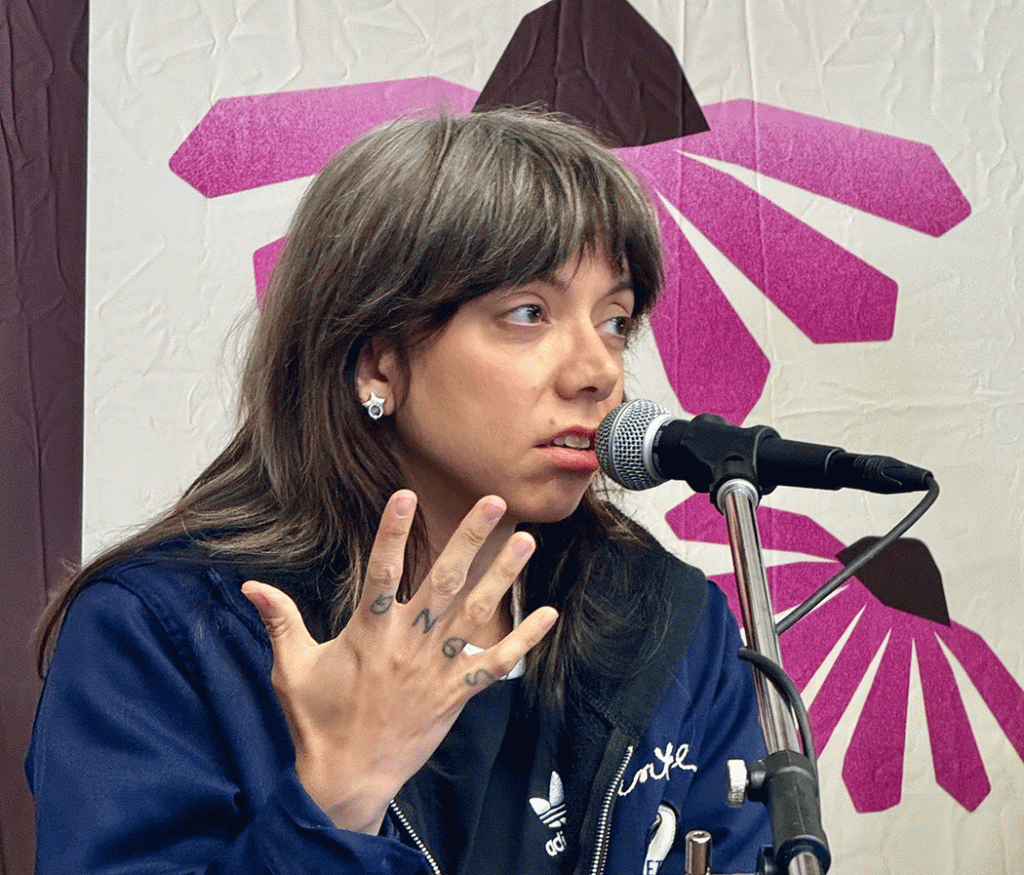
“Writing songs is the reason I’m alive,” Alynda Segarra of Hurray for the Riff Raff told the audience at the Englert Theatre. It was a striking statement, but one that captured the spirit of the Iowa City Songwriters Festival (ICSF). Throughout the festival, artists repeatedly spoke of songwriting not as a profession or hobby, but as a way of making sense of the world and surviving its hardships.
Iowa City has long been known as a city for writers. ICSF aims to extend that legacy to songwriting. Executive Artistic Director Brian Johannesen believes songwriting deserves the same cultural recognition and respect as other literary arts.
Held November 5-7, the three-day festival combined concerts, interviews, panel discussions, and workshops at various venues across Iowa City. The goal was to pull back the curtain on the songwriting process, giving aspiring musicians practical advice while offering music fans a rare glimpse into how great songs are created.
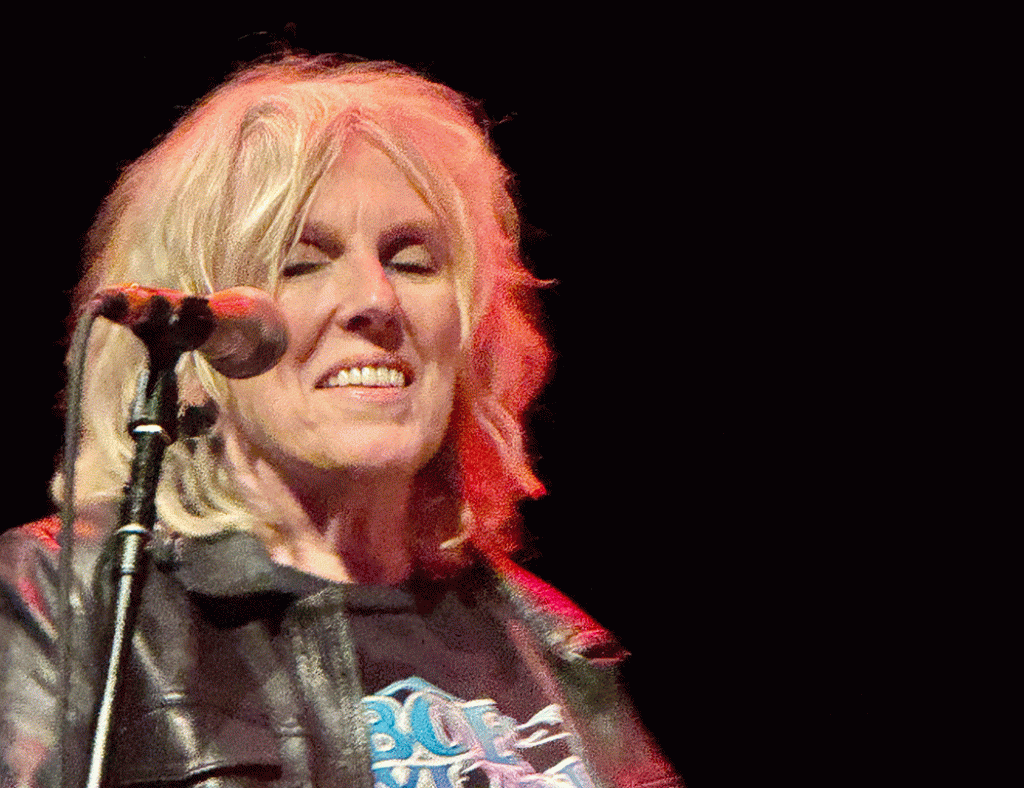
The festival attracted a lineup of acclaimed songwriters. Lucinda Williams, a three-time Grammy winner, is widely regarded as one of the pioneers of modern Americana music. Mary Gauthier, known for her deeply personal songwriting and advocacy work, has had her songs recorded by artists including Jimmy Buffett, Vince Gill, Blake Shelton, and Tim McGraw. Canadian troubadour Fred Eaglesmith has spent decades crafting acclaimed songs about the humor, heartbreak, and hard realities of rural life. Craig Finn, frontman and chief songwriter of the influential indie-rock band the Hold Steady, served as artist-in-residence and worked closely with the festival’s 16 ICSF Scholars, an emerging cohort selected for mentorship and professional development. The lineup also featured cult favorite Bill Callahan, whose understated poetic work has earned a devoted following over the past three decades, and Alynda Segarra, whose folk-punk-infused songs explore identity, community, and the complexities of contemporary America.
Segarra expanded on that idea during her performance at the Englert Theatre. She railed against what she called “robot music,” arguing that songs created by algorithms and artificial intelligence lack the human connection at the heart of great art. She argued that the human connection found in song is essential to both individuals and society. This sentiment was repeated in one form or another by the other artists during their talks as well as in their concerts.
Callahan explored the question from a more philosophical angle, opening his set “Why Do Men Sing.” The song is also the opening track on his latest release, My Days of 58. He repeated the question throughout the song without ever answering it directly, suggesting instead that music is an essential part of being alive. Callahan also joked during his performance that he was the best songwriter at the fest as a way of pointing out the camaraderie of the people involved. This was not a competition. The musicians often praised one another’s work and commented on each other’s insights.
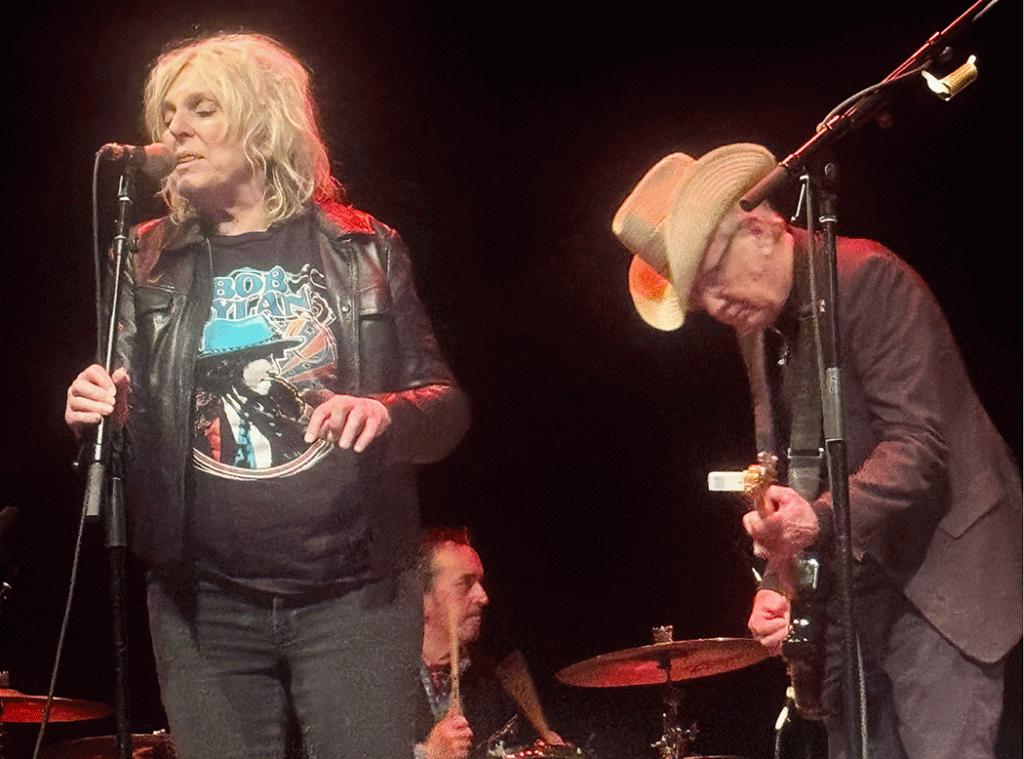
The performers embraced the festival’s focus on craft, offering reflections on songwriting both from the stage and during conference sessions. Williams noted how peculiar it felt to be in front of an audience interested in songwriting. She spoke about how “musicians are like conduits” who connect to the spirit world in mysterious ways. Despite lingering effects from the stroke she suffered in 2020, she spoke and sang with remarkable emotional authority. One of the festival’s highlights was when her former bandmate, Iowa guitarist Bo Ramsey, joined her onstage during the encore for the song “Joy.”
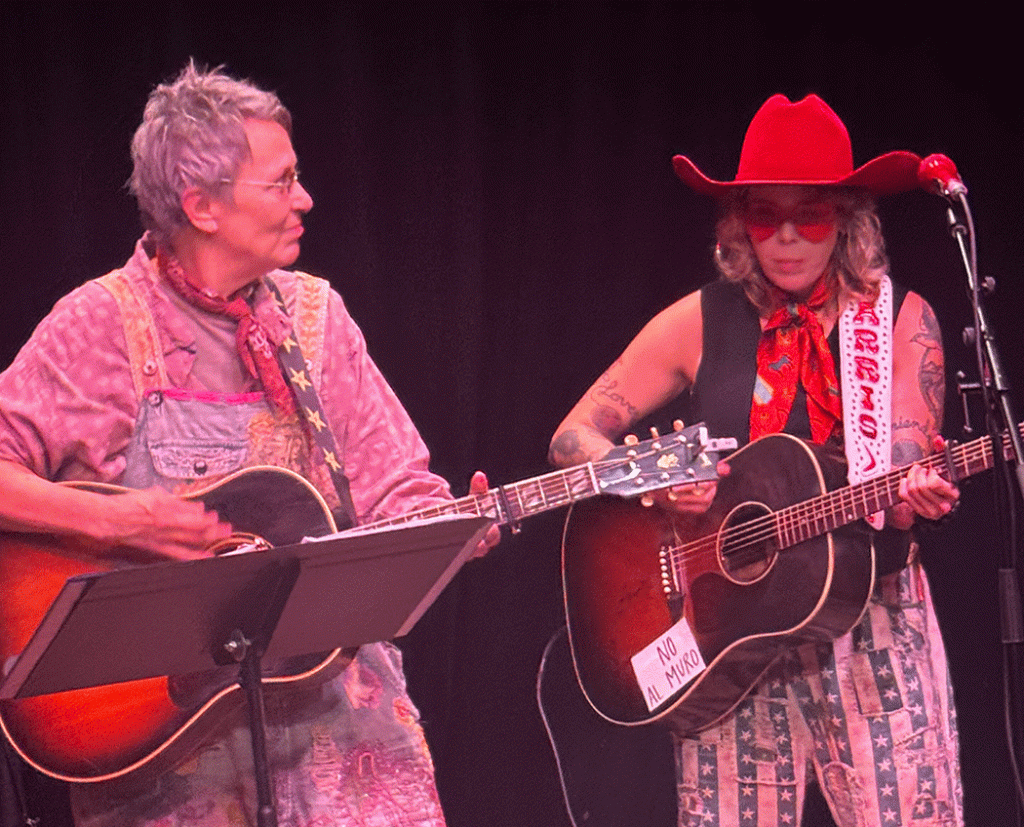
The concerts provided plenty of memorable moments. Gauthier was joined by her partner Jaime Harris at the sold-out show at the James Theater and quickly created a warm and intimate atmosphere through songs about love, loss, and resilience. The 69-year-old Eaglesmith got the late-night crowd at the rock dive-bar Gabe’s laughing and clapping at his tall tales of woe. He joked that the standing ovation meant less than usual since much of the audience was already standing.
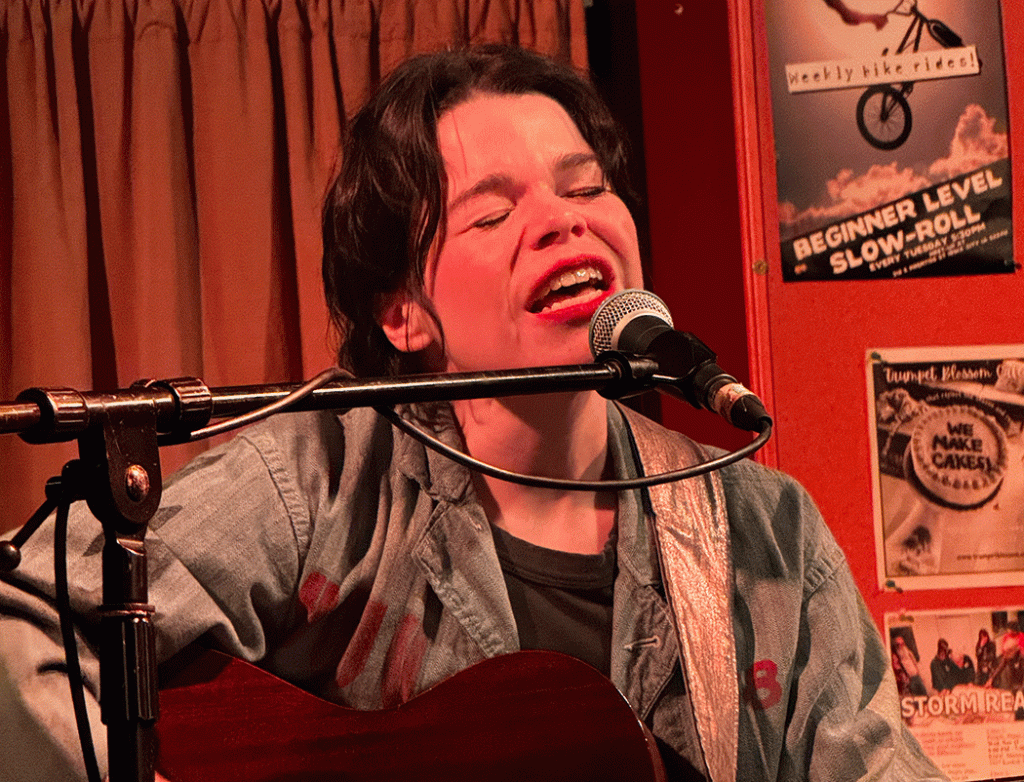
Other acts, such as Oklahoma singer-songwriter Samantha Crain, a member of the Choctaw Nation, also made deep impressions. Crain fostered a sense of community at Trumpet Blossom through her personal stories and songs. Former Iowa Citian Elizabeth Moen wowed with her bluesy rock. Local heroes the Awful Purdies, an all-female quintet, celebrated their 20th year as a band with many familiar friends and fans in the audience.
The conference part of the festival offered insight into the mechanics of songwriting. Finn discussed the role of humor and its importance in keeping the audience from despair. He noted that many of the characters in his songs experience severe consequences for small actions that become pivotal in their lives as a sort of cosmic joke. “We are all imperfect,” he said. He described songwriting as “a great battle between what information to put in and what to leave out.”
Callahan said that all his songs were purposely incomplete, allowing both performers and listeners to discover new meaning in them over time. Segarra talked about how songwriting helps preserve the people she has lost. She writes about past experiences and dreams as a way of keeping those memories present.
Eaglesmith said he grew up in troubled circumstances, in rural poverty with a big family. Writing songs was his way of dealing with suffering. Gauthier also described how songwriting became a source of healing after childhood trauma.
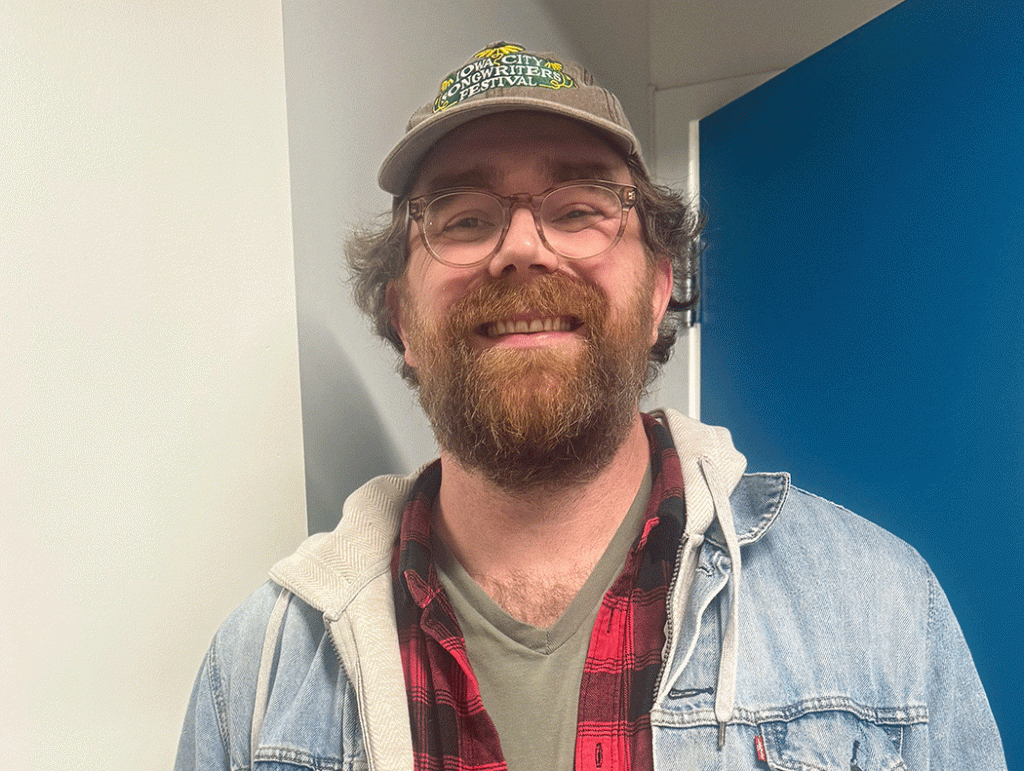
According to Executive Artistic Director Brian Johannesen, one of the festival’s central goals was to “unveil the mystery behind the process.” Judging by the enthusiasm of audiences and artists alike, this year’s event succeeded in doing just that while reinforcing Iowa City’s reputation as a place where songs matter.